Younger
Darren Star’s flagship comedy, shot entirely in New York City. The same gaffer across DoPs John Thomas and Hollis Meminger, carrying the show from Season One’s tungsten, HMI, and KinoFlo rig to Season Seven’s nearly all-LED package, with complete wireless control.
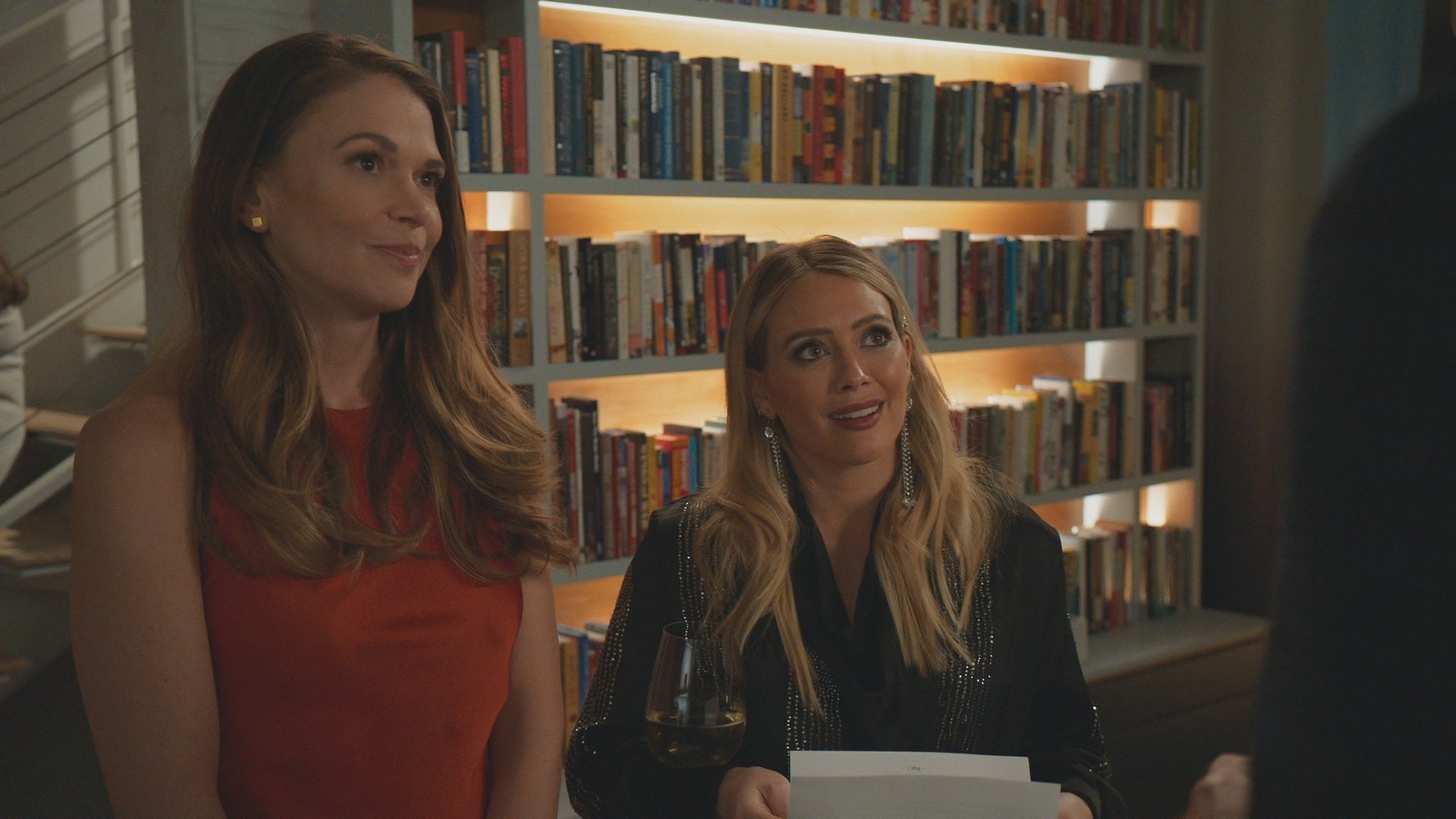
Seven seasons across eight years (we had a COVID delay) is a different kind of production relationship. Most film and television work is a six-month commitment, sometimes shorter. Younger asked for a different rhythm. Each season I would build a team, often consisting of the same core, to return to familiar sets, stages, and locations across New York City. This rhythm built the kind of muscle memory that enables a team to move quickly without sacrificing quality. This rhythm also enabled me to build a long-lasting “senior staff” as we called it. The senior staff would own the governing responsibilities across my crew and that meant we could be strategic about teaching crewmembers in whom we saw potential, helping teammates realize their personal goals, and leveraging emerging technologies such as our own Discord server that kept our team communicating efficiently and Dropbox for team-wide file sharing.
Build the team, involve them in deciding which workflow matches the work at hand, and together we meet the challenges no one foresaw.
What changed across the run is everything outside the storytelling. The senior staff and much of the team who had been with us up to season six also carried the show through COVID. The workflows we adopted because they served the show in 2014 turned out to be the workflows that kept the project on schedule under pandemic protocols in 2020. Younger is the long-form proof of something I have come to trust: build the team, involve them in deciding which workflow matches the work at hand, and together we meet the challenges no one foresaw.
Continuous Innovation
Season One was a trustworthy Alexa workflow with a lighting package built around tungsten fresnels, HMI for daylight, and KinoFlo for our softer sources. We also deployed Westcott photography-style softboxes with JDD halogen bulbs. I really enjoyed combining photographer’s light sources and after Younger I frequently adapted other photographer’s light sources for film work. The instruments were familiar, the workflow was familiar, and the look that came out of the camera was familiar. By Season Seven, almost everything we used was LED, especially on location. Battery-powered fixtures and wireless color control transformed what we could do in a small window of opportunity. Stage rigging also went almost entirely LED. We found many ways to adapt what had been tried and tested on Monsterland among other prior projects into what was essential for COVID-era production.
The transition did not happen in any single season nor did it happen top-down. Members of my team were the drivers and I was the coach. I set before them the challenges and we collectively met those challenges with technology. When a tool did not fit we would discontinue its use in favor of another. A seven-year run gives you the luxury of that pace.
Tungsten for Sunlight
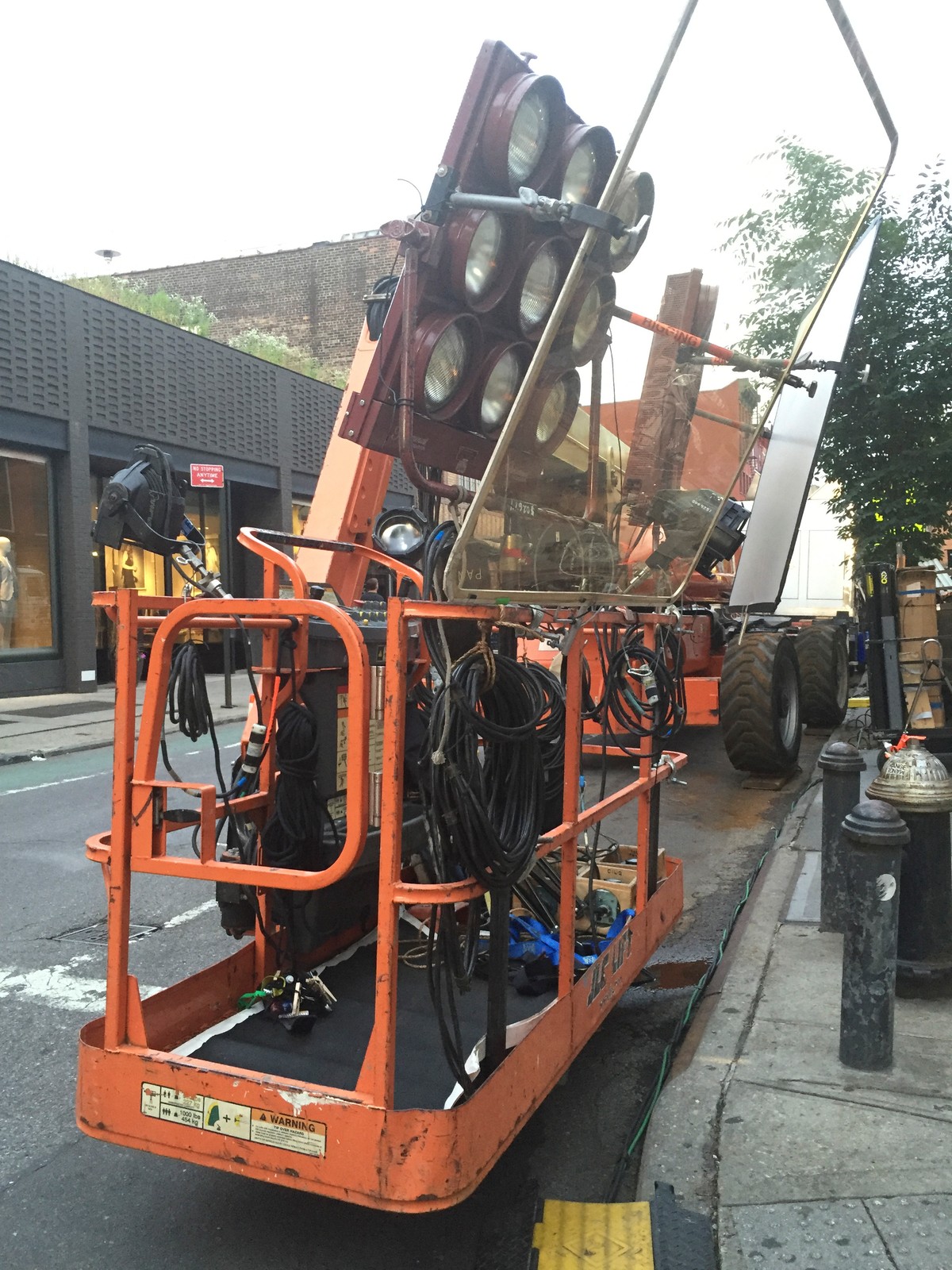
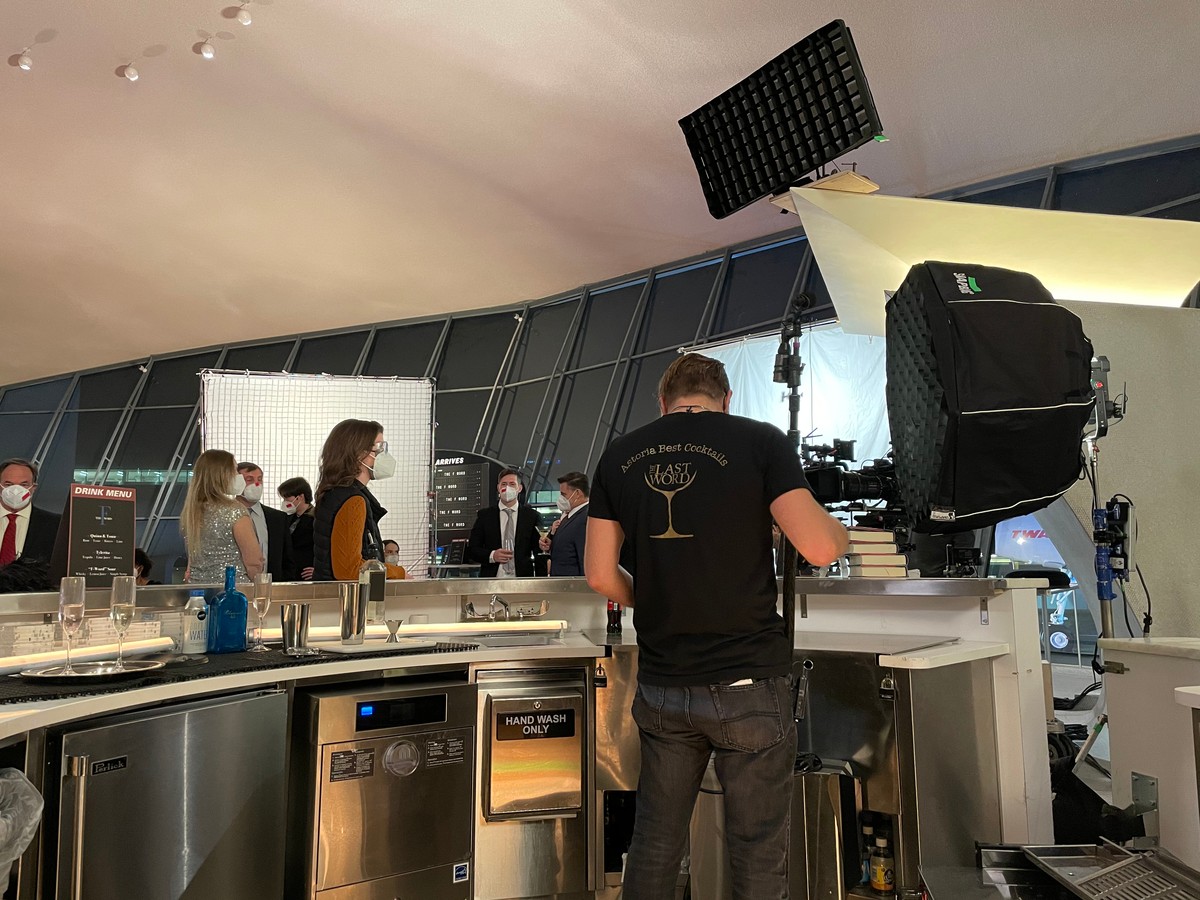
Sunlight is the hardest source to fake. The crisp shadow edge that a single point source like a distant star (the sun) produces is a function of the source’s angular size. LED fixtures of that vintage simply could not render it. We kept tungsten fresnels in the package specifically for sunlight sources, even by Season Seven and even as the rest of the rig went LED. The judgment was simple: when the picture needed a shadow that read as sunlight, the tools that produced that shadow were the tools that went in the kit.
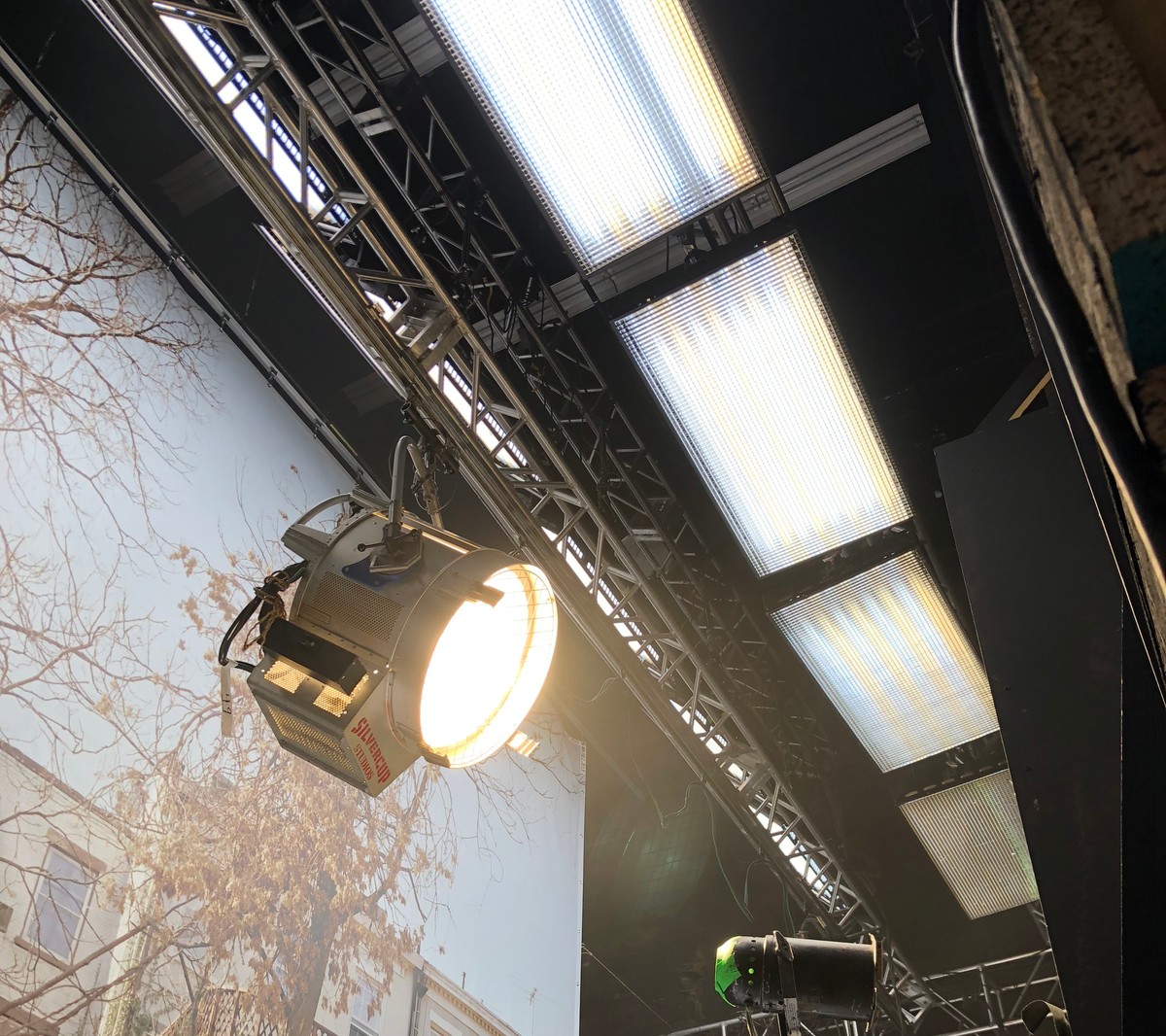
John Thomas also loved using fresnel in general vs open face lensless sources. He taught me countless tricks for using fresnels as “long distance bounces” when Lekos were not available or we needed something color adjustable. In Season Seven we finally brought aboard Fiilex LED fresnels since at that time the Q5 and Q8 were bright enough and had fantastic optics such that we could achieve shaping with barndoors (and some grip help) in addition to wireless color and other control capabilities.
Silvercup Classic, 2020
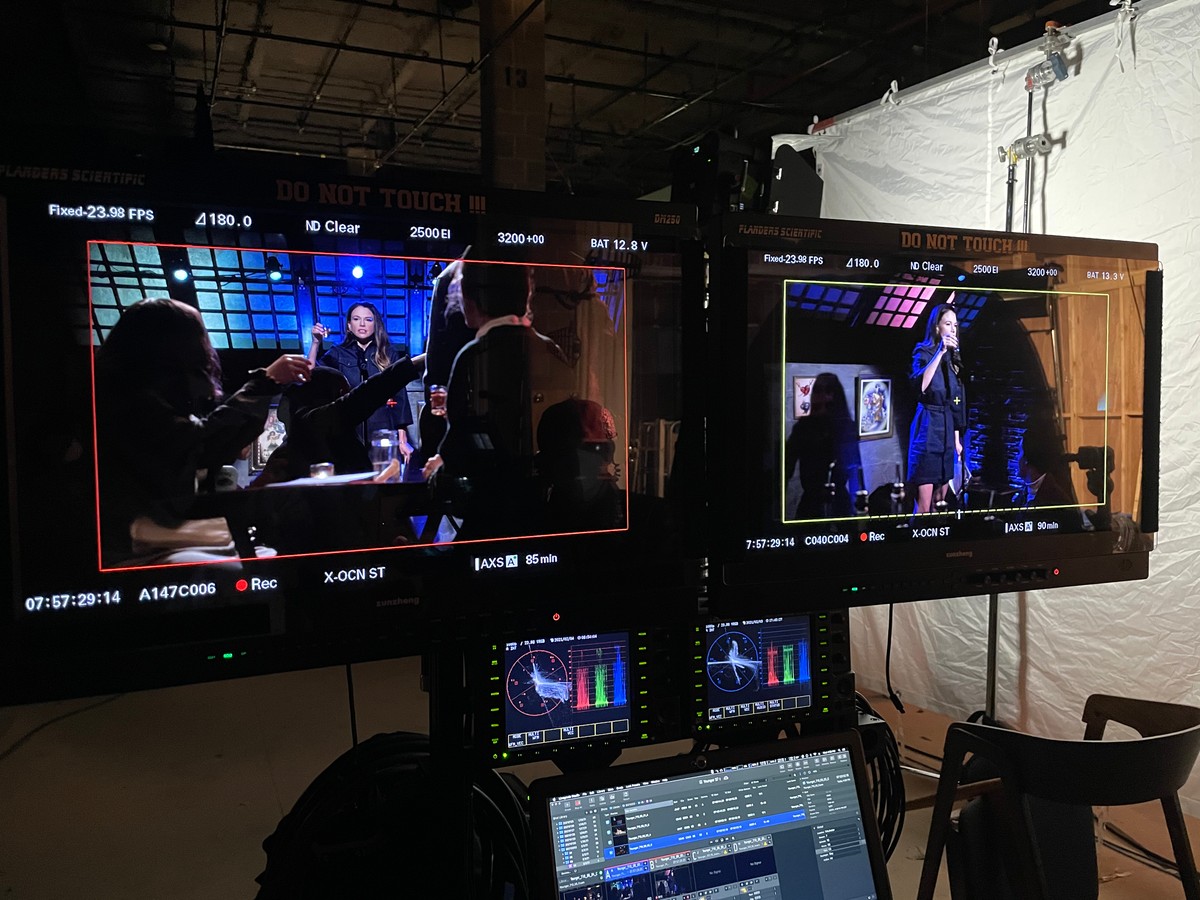
Season Seven began prep in 2019, just after we wrapped Monsterland and just before the world changed. We were two-thirds of the way through rigging the stages at Silvercup Classic when COVID shut everything down in March 2020. The shutdowns came in two-week increments. We waited.
By August it was clear the original stages were not coming back online, and the production made the call to relocate. We thought that the show would be cancelled but fortunately for all of us we instead de-rigged the work we already had done, moved to a different stage, and rebuilt in all new stages to be ready to roll in October. Cameras did roll, on time, with all of the protocols of the COVID era running with us.
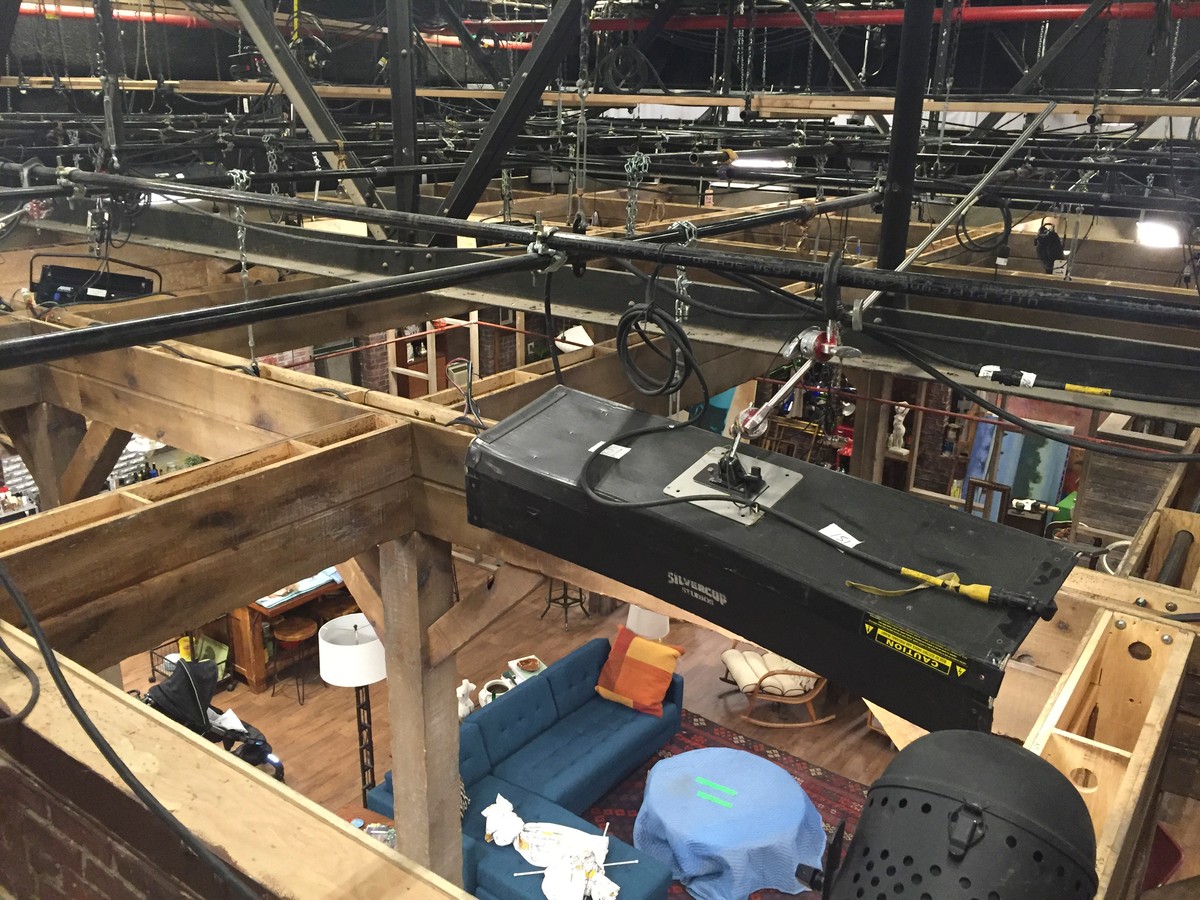
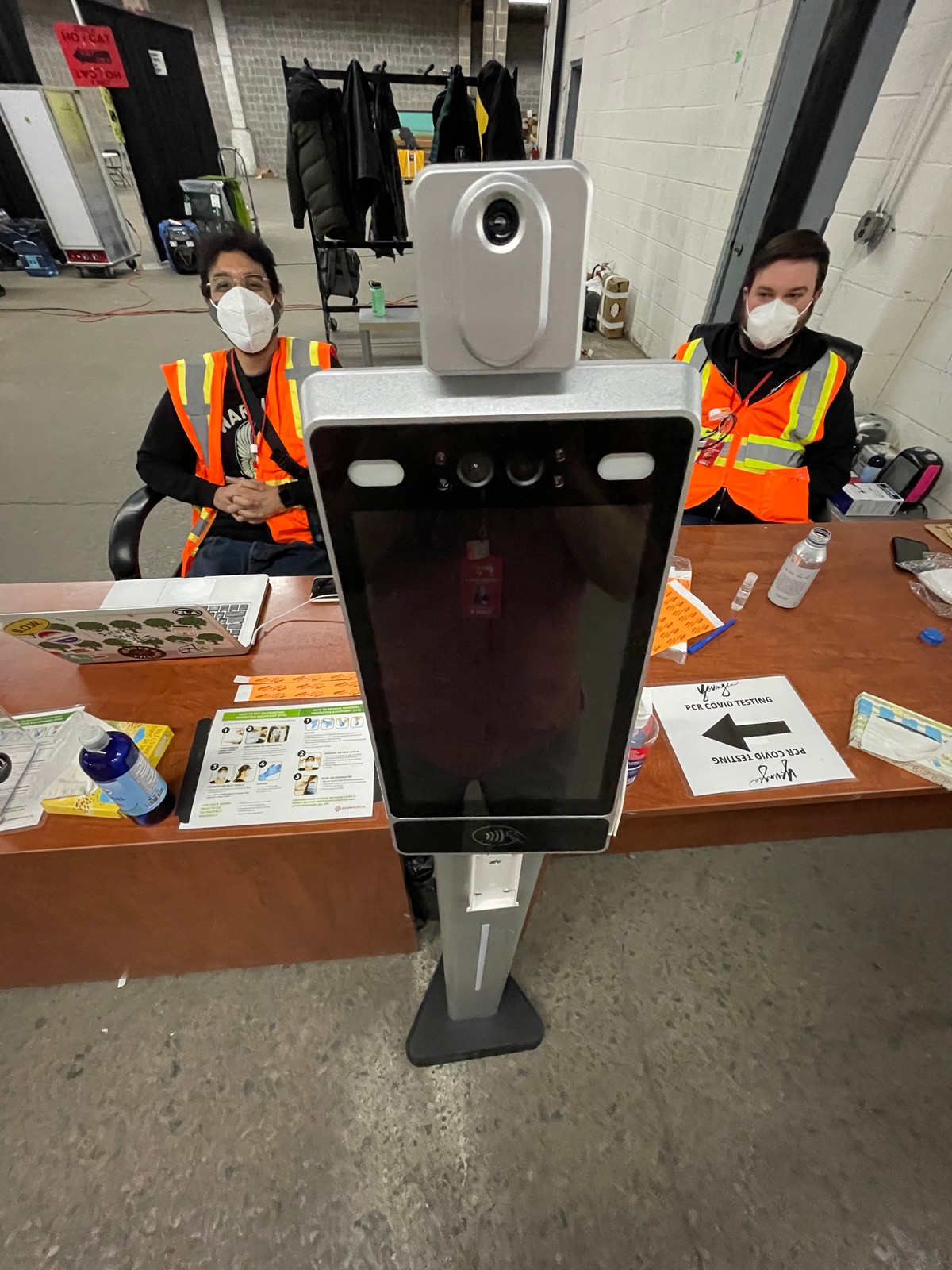
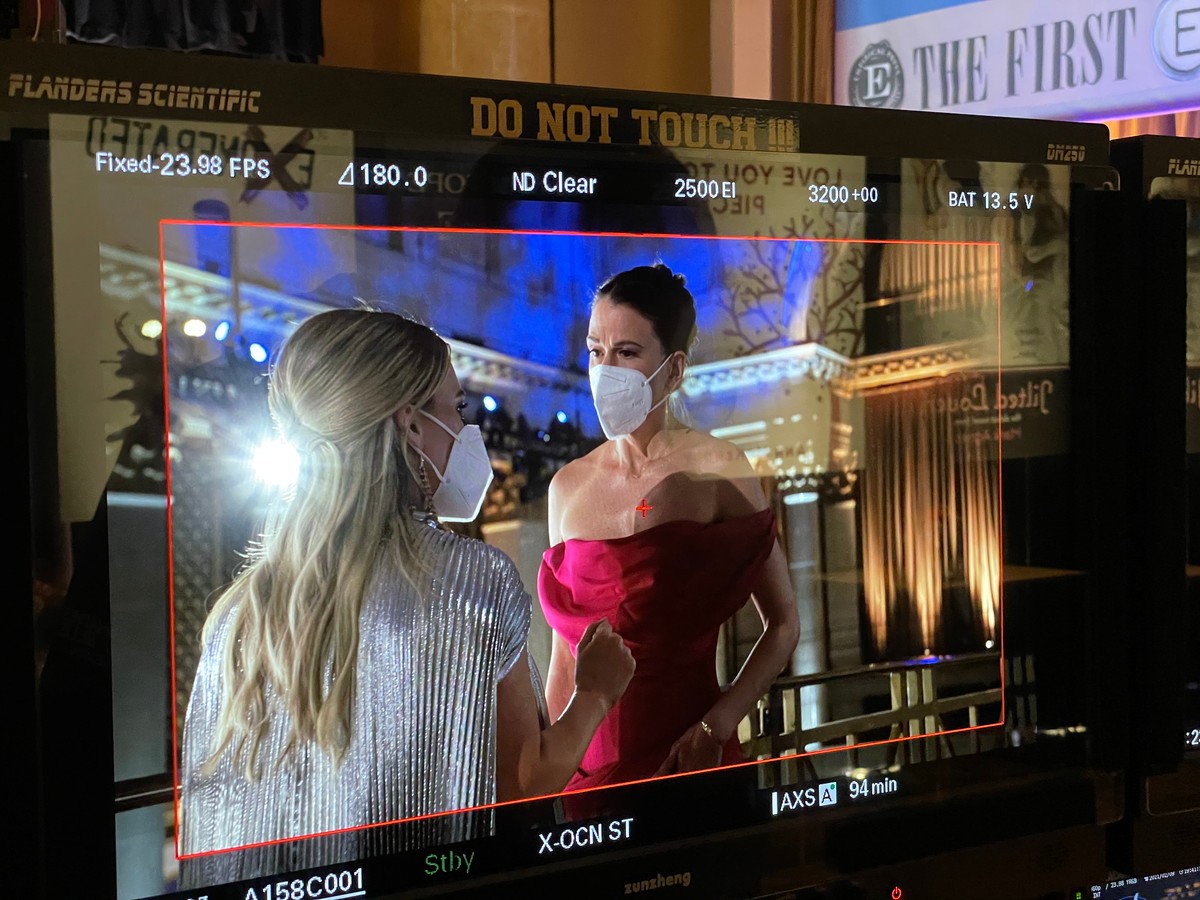
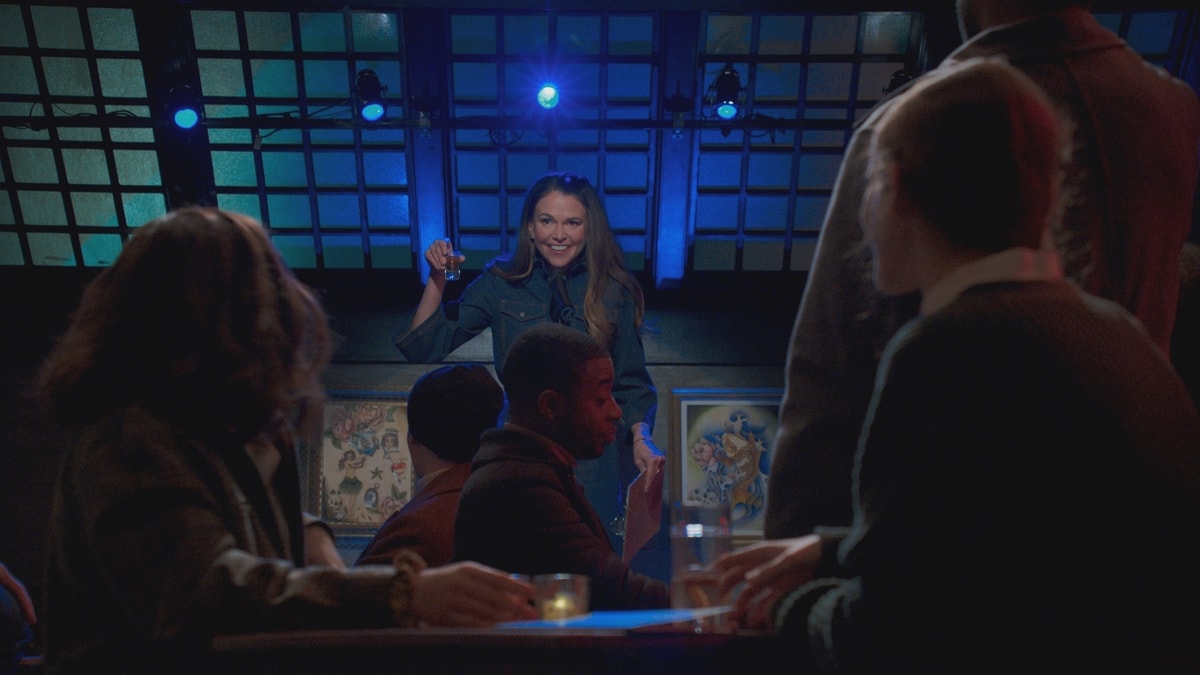
The rich, dynamic lighting that the show needed across Season Seven happened despite all of that. The picture did not suffer for the year of disruption and in fact as a result of my team’s experience we were able to elevate Season Seven into areas not seen in Younger before.
Wireless Smart Lighting
The thing that made Season Seven possible was a workflow we had built years before COVID forced the rest of the industry there. My team, largely led by efforts of Jesse Skogh and Chuan Chi Chan, had been remote-controlling lighting from tablets and dedicated consoles on other projects. This partly was due to those shows asking for color and intensity changes between takes that were faster than running into the set or adjusting something on the fixture itself.
When the protocols arrived and we could no longer crowd the lighting position with crew, the workflow that we already used was the workflow that already worked. Although there always is something to learn, in this area we were seasoned pros. We trusted in each other and our tools kept doing what we were already doing.
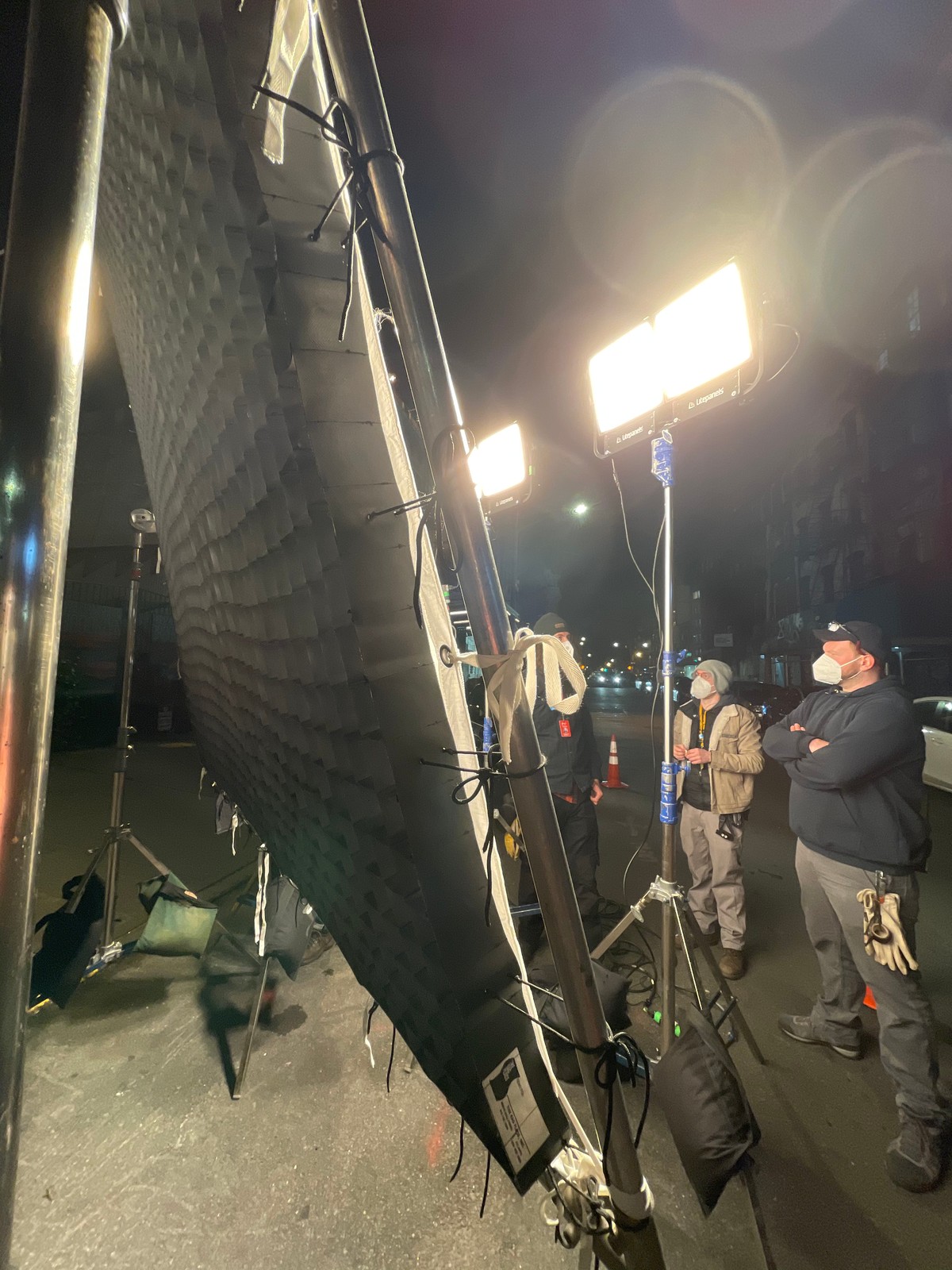
That pattern repeated itself a few times across the run. Workflows we built for the practical reason of one production became the workflows we relied on through changes no one predicted. The same instinct, applied at a different scale and with different tools, inspired Slyyd.
Seven seasons is a long time. The technology changed. The storytelling did not. The work was holding both at once, and the team held it across the run.